Tuesday, 31 December 2013

Post 35 - Our film roles

Myself, Georgia and Danny have worked alongside each other both with Post and Pre- Production for our short film The Cheat 

Storyboard Post -  Lily 
Shot List -  Lily 
Changes of final script -  Georgia.  
Costume and make up -  Georgia. 
Location Recce -  Danny.  
Risk Assessment -  Danny. 


The idea a research- 
Danny  

The making and production of the script - 
Lily and Georgia. 

The Directing of the film - 
All played a part in directing

Filming - 
Georgia 

Double Page Spread - 
Lily

Film Posters - 
Each done individually on our blog.

Friday, 27 December 2013

Post 34 - Discuss the magazine conventions

Large image
The image used is usually direct address, which entices the reader to buy the magazine the celebrity in the magazine is looking directly at the audience therefore it encourages them to but the magazine. 

Quote
A quote from the interview is sometimes presented as the headlines, or by the picture and sometimes it is even used in the text, to break it up. The quote used are usually rather controversial or shocking to grip the reader.

Text
All text on a double page spread is size 11pt and it usually aerial font, however some magazines make the font connote the genre. All double page spreads have a drop cap which shows the reader when to start reading. The text is to make the text appear tidy and not all over the page. The page number, magazine name and text throughout usually use the same font. The article is always written in an informal mode of address therefore it relaxes the reader.

Images 
The main image on the double page spread is usually on the left however some magazines go against the codes and conventions and put it on the right side. sometimes the image bleeds over the whole page, although this is not in every magazine, it is relatively common. The picture on the double page spread always relates to the article and the artist and are ascetically pleasing.

Lines
The double page spread always include by-lines, which are put under the images to give credit to the photographer and writer.

Headline 
The headline that is used for the double page spread are always short, this is to make the reader intrigued.

Colour Scheme 
Double page spreads follow the same colour scheme that is ran throughout the magazine, it is usually simple so it doesn't overpower the article. Often than not, the name of the celebrity is highlighted by the colour scheme. The colour schemes used connote which genre the magazine is for example black is used a lot in rock magazines.

Sunday, 22 December 2013

Post 33 - Research into film magazines


Here you will see from the magazine the image of the man is very powerful and secretive image expression that it gives off. The shot used to cover this is near enough a long shot, what gives off the power to the image, from this I mean that he's wearing a suit shows a serious side, with then some kind of weapon what gives the mysterious side of things, what the creator has done very well so.

The layout of this film magazine, is very common I would say, just with the bottom section, where they have kept all the writing together and in the body of man, what I feel this is done to make the writing stand out better with his black background. This magazine also has a bar code and price on it, what I would comment is very different that your typical, but nothing to out there. Also I must comment on there is the selling line are all diffent font shapes and sizes, what works well in the film case. 


As you can see from the image above, I then went on to look at double page spreads, with this they was a major part in the balance of having a film. This is there is most of the time an image and from this and my research you can see that there is there a what you could say summary of a teaser that drags the reader in and see how and what the film is about, what these do is help the audiance see and read before going to see what doesn't give to much away, but does leave the reader wanting more.

Friday, 20 December 2013

Post 32A - Final poster changed from feedback

Here I have now changed the poster, and this has been done from the feedback that I got given by other people in my year and at my school. This feedback helped me massively to improve and adjust my poster to what it is now below:


Thursday, 19 December 2013

Post 32 - Feedback from target audience of poster

Adele Procter:
I think that the plot is very good and clear, also this draw me in as a viewer and made me want to look and read more. I think that the star rating should be made me clear and be turned into read starts. But I do think that the overall idea and look of the poster is very good and inviting.


Pritam Josephs:
You could enhance the text a bit to make it clearer to read, as the released date is slightly difficult to read. Also I think that the basis of the plot is clear from just the picture. It draws the audience as it is a dramatic situation.


Josh Windle:
I really like this poster, I think that they have done a really good job and the plot is so clear and sounds like a great idea what I’m really looking forwards to seeing


Sheldon Berkeley:
I think this poster really works well and in my eyes, I can see from this picture not long ago leaving the school scenes the actual situation without even reading into the film more what i really find effective. 

Monday, 16 December 2013

Post 31 - Our films poster design (first draft)

Here I have created a poster for our short film, I have captured the right setting and place of action. I then made sure i got all the main characters and the image to show the power and feeling in the film, what i was hoping this would create the feeling of not knowing what is going to happen.                    


Thursday, 12 December 2013

Post 30 - Annotated poster

 This is my annotated poster, that I done so it would help me see why things are done and where to put and add in things. Also this was done so that from this I can see why for example this is an 18 and what little details make it like this.
 

Sunday, 8 December 2013

Post 29 - What makes a good poster

Poster style
In making a good poster the main part of this firstly is finding out what type of poster your specific poster is, this will help you see where and what your poster and film is going and the direction because of this. There are 5 different types that this can be a type of these are: 

  1. The Teaser poster -This poster contains basic information to whet your appetite. It often does not indicate much about the plot, but may have a picture of the stars, and the name of the film.
  2. The main theatrical poster- This contains information about the production personnel, the stars, and the distributors.
  3. Video/DVD release poster - This one comes out when the film is released on DVD/video and often has all of the above plus short, one line reviews from relevant publications.
  4. Identify the Genre eg an action film will nearly always have images of guns/weapons, a Romance will always have the 2 lovers in very close physical proximity... etc...
  5. Character Poster – this one features the main character. Remember that the posters could be a combination of two types.

Images
Then also there are the images, where from this will need to take views of the key setting and the main characters that will be in the film, this is the best thing to be done due to the fact that its very important that the main character is seen. Also like said the main setting is key to the poster so the design of the poster and leading to the film makes sense. Here are some example question to think about with images when looking at making a poster design for a film... What is the title of the film? What can you say about the way in which the title graphics have been written? Who is starring in the film? Where are the stars’ names placed on the poster?

Col-ours
Then there are col-our, from this what col-ours are used in the poster. This is really important because there needs to be a way that for example it makes sense like is you have loads of bright col-ours on a horror film won't be seen as a scary or what the purpose of the genre is. Also the in a film poster you need to have some forms of a scheme that makes sense so its how it should be and not looking out of place. Here are some questions to think what and why you should have col-ours and where... Are the colours on your poster important? Why? What clues do they give about the genre, and how do they attract the target audience?


Layout
The layout is really important to the making of a film poster, you need to poster to look smooth and not to much, from this I mean you can have or give to much away, but then at the same time you also have to let out little comments and information that it draws the views in. so simply by laying the picture and text in a certain way will let the views just look down the poster and getting what it is and about just by looking for seconds. 


Written textThe main part of the text is to be quick and sweet then also get what you need to across how you want it to, what i mean from this is that people don't really want to have to look read loads of things from a poster but just catch there eye and simply scan the poster what will then tell them all and everything that they need to know, and this is done swift and easily.   


Thursday, 5 December 2013

Post 28 - Posters specific to your genre - discuss

Here I have simply looked at and done a whole lot of research into different poster design that best fit and if not match my film genre. Our fim genre is romance with aspects of a thriller, from this I wanted to look at and get as many film I have seen that best match what im trying to set the aim of why im about to start the making of my short film poster with my group.

Monday, 2 December 2013

Post 27 - 2 rough designs of my poster

Here I have created 2 rough poster idea designs on paper, what I have created to give me ideas and look at how to set out. Also I done this so that I will then see what works and what doesn't work, meaning I can visually see posters before I make me real addition of it.


Saturday, 30 November 2013

Post 26 - A Teaser poster

A teaser poster contains basic information to what the film is about. It often doesn't include much of the plot, but may have a picture of the stars, and the name of the film. We did this to help see poster and create an early image of our poster for you all to see. 


This is the first 'The Cheat' poster. This poster captures the darker elements of the film, the darker side of Poppy's breakdown in the middle of the film. But this poster is all wrong for the film and gives off a darker impression and may attract the wrong target audience. No information has been added to the poster which makes it hard of the people interested to know anything about the film. But other films have done the same thing to tease fans into wanted to know more. 

Friday, 22 November 2013

Post 24 - Pre Production Work

Costume and make up


Shit list


Risk Assessment

 Wires- Having wires hanging off the camera which connect the microphone to the camera. Which people can trip and fall over. Also the wires may be seen in shot, if we don't place them well.  

Plug sockets- These can be dangerous as they may blow up or water may be split in them. As there are no plug sockets in the canteen location of our film. The only danger will be in our house scenes.

Chair- Chairs may become a hazard when we're in the canteen as we may trip over them while filming, Also throughout the canteen they're placed everywhere so it may mean moving them to different locations so they become less of a danger.  

Low ceiling in locations- Low ceiling may mean that we bang our heads throughout the filming stage, which may cause head aches or cracking someones head open. 

Vending machines in location- Vending machines in the canteen location are noisy, which will hinder the sound within the film. This means that in some of the shots the film will have a loud buzzing of the vending machines in. 

Wet floor- As we're filming in the canteen, wet floor is common due to people spilling drinks. Also if the camera equipment and sound equipment gets wet its ruined and the film will be compromised because of it. 

Food and drink- While filming in the canteen there are food and drink all around, which means that we'll have to be careful when it comes to filming as it will have to be kept well away from the camera equipment.

Story Board


Location Rec


Wednesday, 20 November 2013

Post 23- Short film marketing

Short film are generally given to show the story, but miss out the characters development, but with this there is also a less freedom to expand universe and different idea from this. the idea is to get the point of whats happening in a short film, but just about, what I mean from this is that in short films you to not want to give to much away, because this create confusion and lower chances to draw people in for film funding.

The key part of creating the small part of our film, is then how we are now going to market and fund our film, now we need to find ways in which we can find film makers in taking on our idea and film to make it in the industry through the marketing. To help with this I have been looking for our group at something called Launch Film this is a global project website that is used to help get the word people and distribution company's to look and see possible films to take further from this. So going on and following this link will help you massively in your understand and explain better what the film distribution assassination really is.

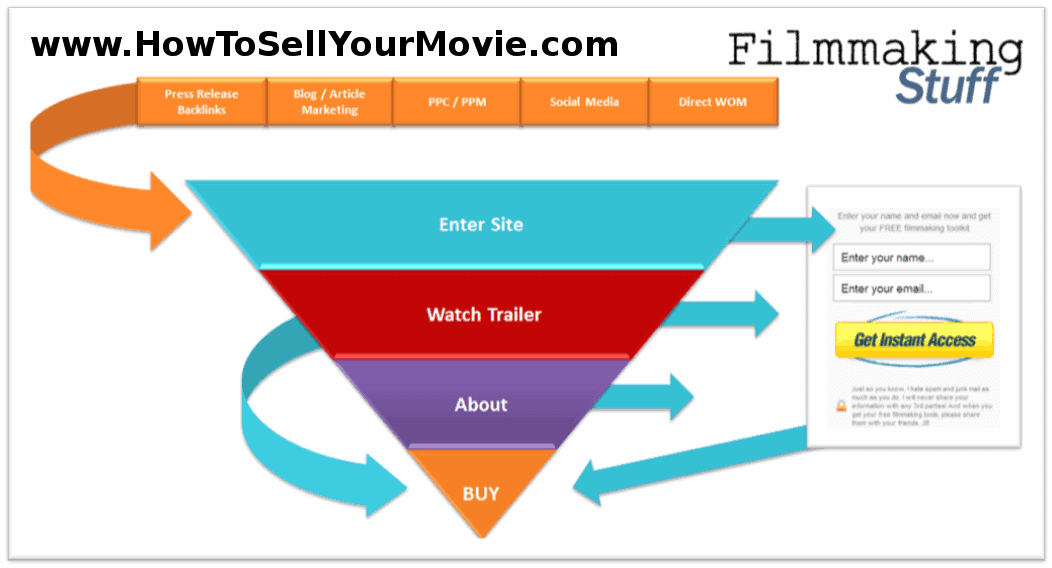
I have also been looking at different ways in which to look at and promote the marketing and fundind to a film, where I have found things like film making stuff, what is a website that you sign up to and from this have an account that you upload watch see and send out you film that from this can be found by other to find funding and marketing this way from my short film that we are making.

Monday, 18 November 2013

Post 22 - Short film distribution

There are many different types of ways in which you can distribute and film, there are social and digital media, things like film festivals and local poster advertising, what are all free or cheap ways in which you can advertise to set the word of mouth of your film.

Due to us making a short film we do not have enough money to make a high-end marketing film, this is why film makers find other ways to promote there films like the types I have spoken about above.  

Social media

  
The image above have all the social media that we will be using for a cheap and free way of advertising and getting the word of mouth off to a spread. What I mean from this is for example twitter we will be uploading clips, pictures, writing about the short film we are creating what will get the views interested and looking.

Doing simple things like this is viral for a small budgeting film like ours. Also digital distribution is also something that can be a very successful way, what is done by sending the short film to distributors, what could go to something like cinemas or theatres

Film festivals


Film festival

Film festivals are a great way for independent films to get the word of mouth. Festivals are there for both small and large budget films. This is where people can and speak and share what you and your film is all about, this works well as you can also see what age and area of people you film views are from this.

Also film festivlas are the best way of winning awards, getting recognised and finding ways from this added feature of advertising to getting get the ball rolling, and bring in more and more viewers.

Sunday, 17 November 2013

Post 21 - Media language in relation to their own film (Camera)

                                
Here is a short clip what I have used to create images and show a few different shots that will be used in our films, what from this it explains then follows by showing you a short clip of what happens in this shot and how it will also work. We have done this so that it helps us one practise the shots we are doing and from this just see how it will work and look, because of trial and effor!


Friday, 15 November 2013

Post 20 - Media language in relation to their own film (Mise En Scene)

The arrangement of everything that appears on the frame on a set like, the actors, lighting, decoration, props, costumes and more is all called the mise en scene. Mise en scene is a french word that means place on stage, what really is everything that goes on that set when needs to be on there, like the frame and camerawork also constitute the mise en scene of a movie.


The film above is a short film that I found in doing my research for mis en scene, this is the age and look of actors and scenes that I like on characters and this has given me ideas and scenes to help develop our film. As the style and look of the boys and girls are yet the same as what we are looking for in a characters. Also the areas like the school, park and bedroom area is the location we will be using and from this helped us see what and how a layout props, lighting and more can be done. 


 Characters styles

Here I have now looked into the way of styling the actors in out short film, so I looked at different looks and appearances of the actors and looked individually at these three actors to fit the characters that we have in place. The first one in Scarlett Johansson who will be seen in the role of our film as Katie, then we have Taylor Lautner with the following role Toby will be taking up and then Milus Kunis who Lily will follow of having the role of. 

These people I looked at are because they are the today actors with good style fashion and fit how we as a group would want our actors to portray going into the final making stage of our short film. What this also follows to fit the mis en scene, of props, location and lighting no problem.   


Wednesday, 13 November 2013

Post 19 - Media language in relation to their own film (Editing)

Here is a short film video, that I have found on a romance genre, that I also look and tried to find what helped me and gave me loads of new ideas of what I can now pass onto my group. With this it also helped me fully understand what a montage is and from this how a motage is and actually works in a short film. 


 For anyone that doesn't know what a montage is, it is a technique in film editing in which a series of short shots are edited into a sequence to condense space, time, and information. The term has been used in various contexts.

Tuesday, 12 November 2013

Post 18 - Media language in relation to their own film (Sound)

Here is the soft ware that, we will be using to create the final film. so on my own I have taken this change to get some more experience with sound and more so, by creating small sort this just to help me get some more experience and ideas on improving my skills from this. 


Here is where we knew we was going to have to use a boom mic where I did not know much about the boom mic so took it on my self to research use and do these things to really help me before we start on our final film we are going to create. 


Saturday, 9 November 2013

Post 17 - Media language in relation to their own film (Lighting)

Between me and my group we have now made a video for our film development for seeing how we should have the lighting, we got to test different views of each light we could have. 


Firstly you have Back light, where the light comes from and hit the back side and sends shadow to the frontal part of the skull.

Secondly you have side light where the light will be placed on one side of the object like on the skull, what is at a 45 degree angle from the camera sends shadows over the top of each top and bottom part.

Thirdly we have frontal light, what is the same a back light but comes from the other side and highlights the majority of the skull, but not the front part of the skull. 

Fourthly  we have the light intensity, what is done by simply closing in the light to the skull the drawing it away pulling the light back from the skull.

Finally you can also see and get different lighting effects by moving the light round the skull, by going over the top round the side as and when needed for different effects of the object.

Monday, 7 October 2013

Post 16 - Representation of femininity in film

Here is my representation of females in film, where I go through all the steriotypes and normal ways in film what and how the women are potrayed. This will now help us in moving on to the making stage of the film as now we can see how the female characters in the film should be and the way of following acters in top films as role model images.

Sunday, 6 October 2013

Post 15 - Representation of masculinity in film

Here is the film representation of men, what I have done a presentation on men in films, and from this related it to my romance film genre to help and give me ideas of my final I will be creating. This post has helped me to see how the male characters work and are set out in a film and also there look and image they give out from completing this post.  

Thursday, 3 October 2013

Post 14 - Audience positioning

 Audiences positioning
Audience positioning is achieved through the camerawork and editing techniques used. Using specific cuts such as shot reverse shot and POV shots help to make the audience feel like they are in the position of the protagonists. It is important for the Director to have the audience feel an invested interest in the characters so that they want to watch the film
- audiences enjoy films when they are involved
- when you analyse a film, you look at the techniques and directions
- when you really or truly hooked in to the films story

Techniques #1
-P.O.V shots
- camera adopts the positions the characters within the film
- over the shoulder shot, is looking at whatever the character is looking at.


Why is this useful?Because it puts the viewers in the position of the character like feeling of emotion and feels the journey
Techniques #2
- reaction shots
- camera moving to a close up and extreme close ups


Techniques #3
- insert shots give the viewer extra information that one/more characters may also not
- for example a split screen, where two characters are in different places


Techniques #4
- shot reverse shot
- the camera alternates between two characters and the building of their relationship
- we are normally seeing this as when characters are rather talking face to face
- this is if the camera acts as a third character


Wednesday, 2 October 2013

Post 13 - Film rating

BBFCall classification decisions are now based on the BBFC’s and published and regularly updated from this.

The age restriction are as such:
U - For all ages are able for viewing
PG - General viewing, but some scenes may not be suitable for young children and others.
12A - No under 12 can see the film, as may have some upsetting scenes for them
15 - Suitable for people 15 and above, due to things said and happening in the film.
18 - No-one younger than 18 can see the film, because of the film it will be.
R18 -  Can only be licensed for special cinemas, only available in licensed sex shops.


Film rating of Rambo
The first of the Rambo series, First Blood by Ted Kotcheff, was rated 15 uncut in 1982, and the second, George Pan Cosmatos Rambo - First Blood Part II was rated 15 uncut in 1985. However, Rambo III  was uncut in 1988 to obtain an 18 rating. In addition to a hourse-fall removed under the terms of the cinematograph films act in 1937, the violence was reduced by the exicision of splatter shots with all blood and grim customs that wioll be added and applied to add effects, and cuts where made to counteract the glamorisation of weapons which constituted a signifcant issue at the time because of a mass shooting at a school in England.

However, the conan films did not have the same passage. John millius conan the barbarian required cuts to the sex scene between conan and a serpent-woman, and to remove horse-falls, for an AA rating in 1982. The second conan film. Richard Fleischers conan The Destroyer also required horse-fall and animal cruelty cuts in 1984.

Monday, 30 September 2013

Post 12B - Audience research

Stuart Hall
The audiences views are both producers and also customers of text; decoding the meaning encoded by the originator of the text. His approach to the textual analysis is the consumer actively negotiates of the meaning.
Research methods
How we measure audiences?
sales, subscribers, rating and figures 
Who measures audiences?
-NRS
-ABC
-BARB
-Bookseller
(these are just some of the organisation who monitors audiences)
New media - new ways in which we can measure audiences:
- face book
- online forums
- viewing figures on YouTube
- trends on twitter
Research
- when we are looking at audiences, there will be two types of the media research;
Quantitative
e.g. questionnaires
- number based
- closed questions to generate exact answers
- very factual
Qualitative
e.g. interviews and focus groups
- analysis of existing products
- open questions to generate answers questions interpretation
- individual preferences
Considering audiences -1
Audiences engagement- this describes the how audiences interacts with a media text. Different people will clearly react in different way what will then have the same text.
Audiences expectations- these are the ideas the audiences has a advantage to bringing in a media text. This particularly applies to genre pieces
Audiences foreknowledge- this is definitive information, what the audiences brings a media product rather than vague expectations  
Audiences identification- this is definitive audiences feel themselves connecting to a particular of media texts, and from this will fell directly expresses their attitude of life
Audiences placement- this in the range of strategies media producers use to be directly target a particular audiences makes you feel it’s directly for them
Audiences research- this is measuring an audiences that is very important to all the media intuitions, what research for this is done in stages once produced
Unique selling point (USP)this market concept is firstly proposed as a theory to explain a pattern of successful advertising campaigns in the 1940s. The term was developed by television and advertising pioneers


“The term has been used to describe ones ‘personal brand’ in the marketing place”

Sunday, 29 September 2013

Post 12A - Audiences

What is an audience?The individual or collective group of people will be known to read or consume any of the text. Because all scripts are made with an audience in mind, due to the point of having no audience there will be no media.
Why are audiences important?
audiences are important as if there is no audience, therefore from this no media text from this will be created, then to go on from this no money will be made, there for no profit. Over time as the mass media is becoming more competitive as producers aim and try to get the audiences they can.
Users and Gratification
The brief that the audience passively receiving a message is long gone, Katz and Bulmer propose from their study into the audiences into their behaviour, what the media reasons can be used for media text to vary the reasons.
Information
finding about the events satisfy curiosity gaining a sense of security through the knowledge that it gives off.
Personal identificationreinforcement for personal value, finds the model of behaviour that it can, what from this will insight to its self
Integration and social interaction
insight in to circumstances of others; social empathy, what from this will identify with others and from this will gain a sense of belonging
Impact a new technology on audiences
- old media (TV, print and radio) which have a high audience number, but consists of being harder to keep going.
- digital technology has also led to bigger mass audiences, by increasing how to define an audience with general agreement that has a large group of people reading the same thing at the same time.
Fragmented audiences - the division of audiences into a small group due to the variety of media outlets e.g. newspapers and magazines- you can view the hard copy and the online version.
- the aim is to join as many people as they can, what from this will sell more copies and get the word or mouth, what creates a larger audience
How do institutions continue to making money-nothing in life is free
- free apps have adverts, unless u pay to have them removed like you can
- with newspapers printing is less and using online distribution can reduce production costs
- adverts can be carefully constructed and selected from a primary audience for text
- websites and search engines work hard to bring in target audiences

Examples of audiences
mass audience is mainstream, what is for the larger audiences, who compose popular texts/sitcoms
niche audience is smaller, what sets out for the smaller population what’s mostly very unique 


Categories audiences can be divided into categories based on social life and change and also the grade of it
Audience’s researchthis is a major part of the media work. They are used in questionnaires for focus groups, and for pre-film screening and spend a great deal of time and money finding out who will be interested in what.
Demographics media is producers are interested in:
- age
- gender
- race
- income (status)
- location of the target market
Psychographics - every adviser wants their target to have a particular type of audience. Therefore media companies produce texts that target this.
- most media products can define their typical audiences member often with a psychographics profile
Groups A -lawyer – doctors – scientist – well paid professionals
Group B- teachers – middle management – fairly well paid professionals
Group C - junior management – blank clerks – nurses – white collar professionals
Groups C2 - electricians – plumbers – carpenters – blue collar professionals
Group D-manual workers such as- drivers – post sorters
Group E
-students – unemployed – pensioners